
If your gums bleed, don't panic, but don't ignore it. Bleeding is the first sign of gingivitis (early gum disease). Learning how to stop bleeding gums is crucial because if left untreated, it can advance to periodontitis, potentially causing bone loss and tooth loss. Dental professionals confirm that the main cause is usually plaque buildup from poor hygiene. They urge you not to stop brushing. Instead, improve your gentle brushing and flossing technique, and schedule a dental cleaning immediately. If you're on the island, a reputable Dentist Bali can provide the necessary professional deep cleaning, diagnose the exact issue, and help you prevent the condition from becoming severe. Don't wait for the problem to worsen, make an appointment today to protect your smile.
In this article, we’ll explore what causes bleeding gums, practical and dentist-approved ways on how to stop bleeding gums, when to see a professional, and the common myths that might be making your gum health worse. By the end, you’ll have a clear understanding of how to care for your gums effectively and confidently.
What Causes Bleeding Gums?
Understanding the root cause is the first step toward figuring out how to stop bleeding gums effectively. Bleeding isn't random; it's a symptom triggered by one or more common factors. Knowing what’s behind the blood helps you choose the right solution for a healthier mouth.
Key causes include:
- Plaque Buildup: The number one cause is poor oral hygiene, allowing a sticky film of bacteria (plaque) to accumulate and irritate the gumline.
- Gum Disease: This irritation progresses into gingivitis, which, if untreated, advances to periodontitis, causing severe tissue and bone damage.
- Improper Brushing: Applying too much force or using a toothbrush with hard bristles can physically injure the delicate gum tissue.
- Hormonal Changes: Fluctuations during pregnancy or menstruation can make gums more sensitive and prone to inflammation and bleeding.
- Nutritional Deficiencies: Lack of certain nutrients, particularly Vitamin C or K, can impair the body's ability to heal and clot blood properly.
- Lifestyle and Medication: Smoking significantly weakens the immune system in the mouth, and certain medications (especially blood thinners) can increase bleeding risk.
Understanding these root causes helps you make smarter choices about how to stop bleeding gums before the problem gets worse. By pinpointing the specific cause, you can tailor your approach, whether it’s improving your brushing technique, adjusting your diet, or seeking professional treatment, to successfully resolve the issue.
Dentist-Recommended Solutions to Treat Bleeding Gums
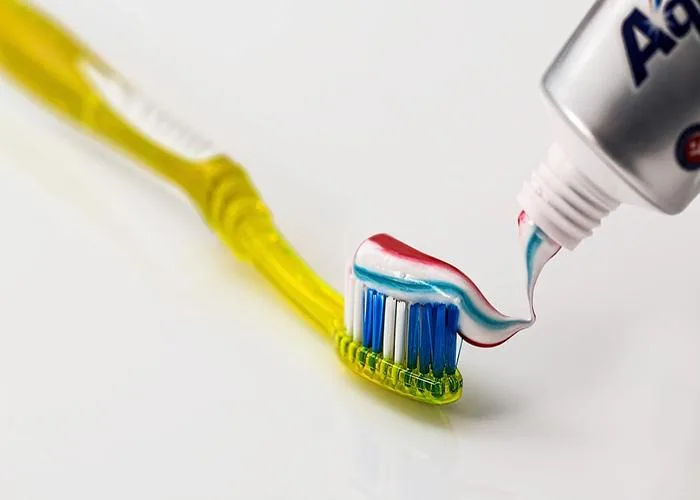
If you want to know how to stop bleeding gums, the most effective solutions focus on meticulous care and professional intervention. Dentists recommend the following steps:
- Improve Your Oral Hygiene Routine: One of the easiest ways on how to stop bleeding gums is brushing correctly. Brush gently twice daily using a soft-bristled toothbrush and fluoride toothpaste. Always ensure you clean right along the gumline to disrupt plaque.
- Start Flossing the Right Way: The key to how to stop bleeding gums with flossing is consistency. Flossing daily is critical. It removes plaque between the teeth, a major bleeding trigger. Use a gentle technique; improper flossing can cause injury.
- Use an Antibacterial Mouthwash: Another effective method on how to stop bleeding gums is rinsing with an antibacterial or antiseptic mouthwash. Incorporate an antibacterial rinse (look for formulas with chlorhexidine or essential oils) to reduce inflammation and better control harmful bacteria.
- Eat a Balanced, Vitamin-Rich Diet: Focus on foods rich in Vitamin C and K to support gum health and clotting. Avoid excessive sugar intake, which fuels bacteria, and stay hydrated by drinking plenty of water.
- Visit a Dentist for a Professional Cleaning: Sometimes, the best answer to how to stop bleeding gums is professional help. Home care can’t remove hardened plaque (tartar). A professional cleaning is necessary, and a checkup will reveal any deeper gum issues. Early treatment is vital to prevent severe gum disease and tooth loss.
When Should You Worry About Bleeding Gums?
Knowing how to stop bleeding gums is important, but so is recognizing when professional attention is needed. While occasional, light bleeding (especially when starting a new flossing routine) may resolve with improved home care, you need to know how to stop bleeding gums immediately by seeing a professional if you notice signs of more serious issues:
- Frequent Bleeding: If your gums bleed often, even with gentle brushing, or if the bleeding is heavy or difficult to stop.
- Swollen or Receding Gums: Gums that look noticeably swollen, red, or have started to pull away from the teeth (receding) indicate advanced inflammation.
- Bad Breath or Tooth Mobility: Persistent bad breath (halitosis) combined with bleeding, or feeling that your teeth are slightly loose, are strong indicators that gingivitis has progressed to a serious stage like periodontitis, requiring urgent dental attention.
Common Myths About Bleeding Gums
When learning how to stop bleeding gums, it’s vital to ignore common misconceptions that can worsen the problem. Separating fact from fiction is key to achieving a healthy mouth:
- Myth 1: Bleeding is normal. False. Healthy gums do not bleed. Bleeding is a sign of inflammation, usually caused by plaque. Treating it as normal allows gum disease to progress.
- Myth 2: Stop flossing if gums bleed. False. If your gums bleed when you floss, it means the area is inflamed and needs cleaning, not avoiding. Stopping will only leave more plaque behind, making the inflammation worse.
- Myth 3: Hard brushing = cleaner teeth. False. Brushing too hard or using stiff bristles will injure your gums and make them bleed more, without cleaning them any better. Use gentle pressure and a soft brush.
Understanding these truths helps you take the right steps toward improving your gum health and learning how to stop bleeding gums effectively.
Need Help? Visit a Trusted Dentist Kuta

Understanding how to stop bleeding gums comes down to one simple truth: you need professional help to manage or reverse the condition. While improved home care is essential, you cannot remove hardened plaque (tartar) or treat advanced gum disease on your own. For comprehensive care, including professional deep cleaning and tailored advice, don't delay your visit.
Take the definitive step to protect your health and consult the experts at Dental Clinic Bali today. If you are looking for a reliable Dentist Kuta to address your concerns about bleeding gums, schedule your appointment now!
Written by drg. Kannitha Alina Aflah