
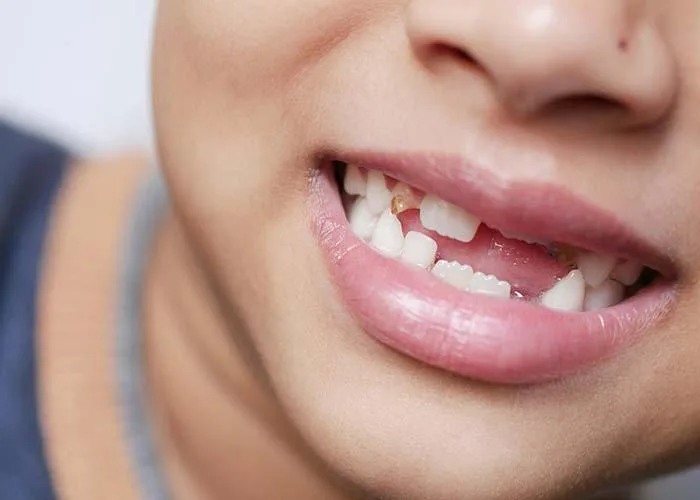
Cavities remain one of the most common dental problems worldwide, affecting both children and adults. While they often start small and painless, tooth decay can progress quickly if ignored. Recognizing the early signs of cavities is the most effective way to prevent long-term damage and avoid more invasive treatments such as root canals, crowns, or extractions. Understanding these warning signals helps you take action early, protecting your smile and your overall oral health.
Whether you live in Bali or are planning to visit a Dental Clinic in Bali, knowing the early signs of cavities empowers you to seek professional help promptly. Below are six major red flags you should never ignore.
1. Tooth Sensitivity
One of the most common early signs of cavities is tooth sensitivity. This usually happens when the enamel begins to erode, exposing the dentin, which contains tiny tubules connected to the nerve of the tooth. When hot, cold, sweet, or acidic foods touch this sensitive layer, you may feel sudden discomfort.
Tooth sensitivity may start mildly, but if you notice the sensation increasing, it might indicate the cavity is getting deeper. Both adults and children should pay attention to this symptom, as it is often one of the very first early signs of cavities to appear.
2. Visible Pits or Holes in Teeth
Cavities begin microscopically, but over time, they can form small pits or holes in the tooth surface. You might notice:
- Tiny black spots
- Small indentations
- Rough areas on the enamel
These visible changes are clear early signs of cavities, especially when they appear on chewing surfaces or between teeth. Parents should regularly check their children’s teeth, as kids may not notice or complain until the problem becomes painful. If you see any pits or holes, you should immediately schedule an appointment with a Dentist in Bali to prevent further decay.
3. Toothache or Pain When Biting
A persistent toothache, especially pain felt when chewing or biting, is one of the more advanced early signs of cavities. The discomfort may start as occasional, then gradually escalate as bacteria penetrate deeper layers of the tooth.
Some common experiences include:
- Sharp pain when eating sweets
- Pressure sensitivity when biting
- Mild throbbing pain that comes and goes
Even if the pain disappears after a while, it does not mean the cavity is gone. Pain is one of the strongest early signs of cavities, signaling that damage has reached the inner tooth layers.
4. Discoloration of Teeth
Tooth discoloration can appear as white spots in the initial stages, eventually turning brown or black as decay progresses. These color changes are considered classic early signs of cavities, especially when found on molars or between teeth.
Adults often ignore slight discoloration, assuming it is staining from coffee or tea. However, if the discoloration does not disappear with brushing, it may indicate enamel breakdown. Children may also develop chalky white spots, an early warning sign of demineralization. If you spot unusual color changes, consult a Dentist in Kuta for an accurate diagnosis and preventive treatment.
5. Bad Breath or Unpleasant Taste
When bacteria accumulate in a decaying tooth, they produce acids and sulfur compounds that lead to persistent bad breath. An unpleasant or metallic taste in the mouth can also indicate decay. These symptoms are subtle but important early signs of cavities, especially when they occur despite regular brushing. Bad breath caused by cavities often persists throughout the day and can worsen after eating sugary foods. This is because bacteria thrive on carbohydrates, accelerating the decay process.If you experience unexplained bad breath, it may be time to visit a Dental Clinic in Bali for a thorough check-up.
6. Swelling or Bleeding Gums Around the Tooth
Although swelling or bleeding gums are commonly associated with gum disease, they can also be early signs of cavities, particularly when the decay occurs near the gumline. When bacteria irritate the surrounding tissue, the gums may become inflamed, tender, or bleed when brushing.
This symptom often indicates more advanced decay, and early treatment is necessary to prevent infection or abscess formation. Children may show similar symptoms, usually accompanied by discomfort when brushing.
Why Recognizing Early Signs of Cavities Matters
Cavities never heal on their own. When you notice the early signs of cavities, seeking prompt professional care can save time, money, and discomfort. Early intervention allows dentists to:
- Reverse the early stage of decay with remineralizing treatments
- Apply dental sealants to protect vulnerable teeth
- Treat small cavities with simple fillings
- Prevent the development of larger, painful infections
Whether you’re an adult or taking care of a child’s oral health, identifying the early signs of cavities and addressing them early ensures better long-term dental outcomes.
Schedule Your Check-Up at Dentist Kuta for Early Cavity Detection!
If you notice any of these early signs of cavities, the best step is to schedule a dental examination as soon as possible. At Joy Dental, our team of experienced professionals provides comprehensive cavity detection, preventive care, and personalized treatment plans for both adults and children.
As a trusted Dentist in Bali, Joy Dental Kuta offers advanced diagnostic tools, gentle care, and a welcoming environment for all patients. Our clinic prioritizes early intervention, helping you maintain a healthy smile and prevent serious dental problems in the future.
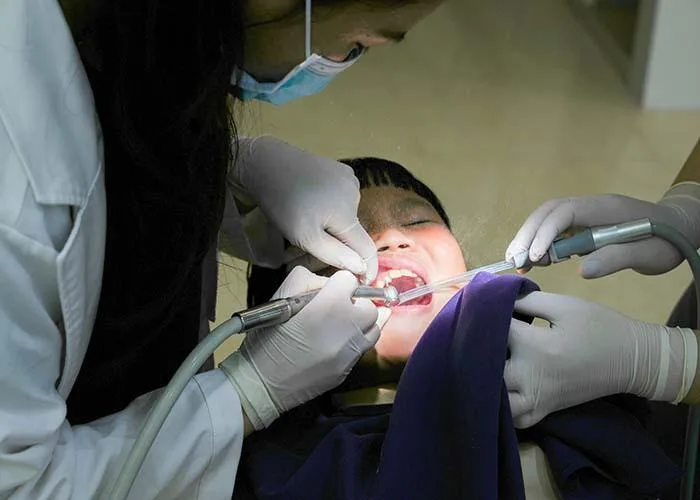
At Dentist Kuta, we are committed to educating our patients about the early signs of cavities and providing high-quality dental care right from the start. If you’re searching for a reliable Dental Clinic Bali or a skilled Dentist Kuta, our team is ready to assist you.
Don’t wait until the pain becomes unbearable. If you or your child show any early signs of cavities, schedule a check-up today at Joy Dental Kuta. Early treatment is the key to a healthier smile and long-lasting teeth. Book your appointment now and let Joy Dental protect your oral health, one smile at a time!
Written by drg. Bonifasius Primario W., M. Biotech