
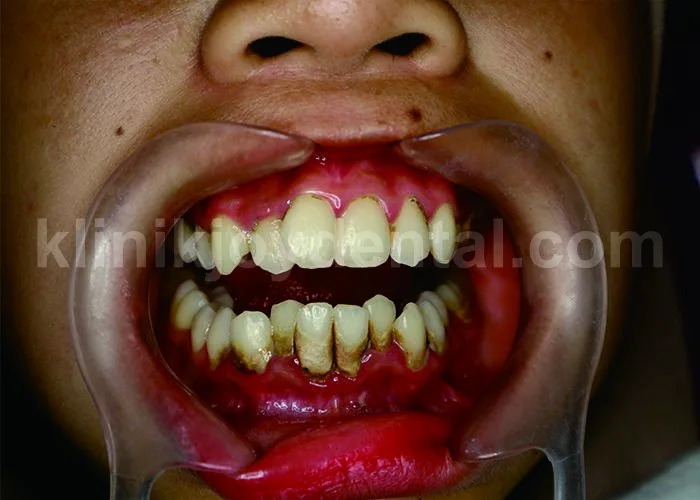
Tired of being self-conscious about bad breath or spitting blood after brushing your teeth? These unpleasant symptoms are often the first warning signs of a deeper issue: the buildup of plaque and tartar, which can lead to gum disease. While regular brushing and flossing are essential, they can't always reach the stubborn deposits that accumulate over time. This is where professional dental scaling comes in, a crucial procedure that is the thorough cleaning of teeth to remove plaque and tartar buildup. Understanding what is dental scaling is the first step towards not only refreshing your breath and stopping bleeding gums but also protecting your oral health for the long run, and for many, a reputable Bali dentist is the ideal place to seek this essential care.
In this article, we’ll answer the question “what is dental scaling” in detail, discuss its top five benefits, explain what happens during the procedure, and share tips on how often you should get it done. By the end, you’ll know exactly why this treatment is one of the most recommended dental care procedures.
What Is Dental Scaling?
So, what is dental scaling? Understanding what is dental scaling is key to appreciating its importance in maintaining oral health. Unlike a regular dental cleaning which focuses on polishing and removing light plaque buildup from the tooth surface, dental scaling is a more intensive procedure. It is designed to go deeper, removing hardened plaque, known as tartar or calculus, from both above and below the gum line. Dentists and dental hygienists use a variety of specialized tools for this task, including manual scalers, a small, hooked instruments that meticulously scrape away deposits and ultrasonic devices, which use high-frequency vibrations to break down stubborn tartar. This deep cleaning is typically recommended for individuals with signs of gum disease, such as persistent bad breath, bleeding gums, or visible tartar buildup. It's an essential step in preventing the progression of gingivitis to more severe forms of periodontal disease.
So the next time you wonder “what is dental scaling”, remember this: it’s the key professional step to keeping your teeth and gums in top shape.
5 Benefits of Dental Scaling
Scaling, an essential procedure offers more than just a quick clean; it's a comprehensive treatment with lasting positive effects. Understanding what is dental scaling is the first step to unlocking its many benefits for your oral health.
- Prevents Gum Disease: Scaling is the most effective way to remove the hardened plaque and tartar that lead to gingivitis and periodontitis. By eliminating these irritants, it prevents inflammation, bleeding, and the eventual destruction of the gum and bone tissue that support your teeth.
- Improves Overall Oral Hygiene: By providing a deep clean that goes beyond what a toothbrush and floss can do, scaling helps maintain healthier teeth and gums. This thorough cleaning creates a clean foundation, making your daily oral hygiene routine more effective and efficient.
- Eliminates Bad Breath: The foul odors associated with bad breath are often caused by the accumulation of bacteria in plaque and tartar. Dental scaling removes these odor-causing deposits, leaving your mouth feeling and smelling fresh.
- Prevents Tooth Decay: Tartar buildup creates an ideal environment for cavity-causing bacteria. By removing these deposits, especially in hard-to-reach areas, scaling significantly reduces your risk of developing tooth decay.
- Enhances Appearance of Teeth: Beyond the health benefits, dental scaling also offers a cosmetic advantage. The procedure effectively removes stains and surface buildup, resulting in a cleaner, brighter, and more polished-looking smile.
What to Expect During Your Dental Scaling Appointment
To feel fully prepared for your visit, it's helpful to have a clear understanding of the process. A dental scaling procedure is a routine yet essential part of maintaining excellent oral hygiene, and knowing the steps involved can help you feel more comfortable.
- Step-by-Step Description of the Procedure
- Your dental professional will first conduct a thorough examination to identify areas of your mouth with significant plaque and tartar buildup.
- They will then use specialized tools to perform the deep cleaning. This can include an ultrasonic scaler, which uses high-frequency vibrations and a cool water spray to break up tartar, or manual scalers, which are small, hooked instruments that meticulously scrape away deposits.
- This process, which is a key part of answering the question of what is dental scaling, focuses not only on the visible surfaces of your teeth but also on the crucial areas below the gum line.
- After the scaling is complete, a professional polishing may be performed to smooth your tooth surfaces, making it more difficult for new plaque to accumulate.
- Duration and Sensations to Expect
- The entire procedure typically lasts between 30 to 60 minutes, though this can vary depending on the amount of tartar that needs to be removed.
- During the process, you may hear some scraping sounds or feel a slight vibration from the tools. You might also notice a cool sensation from the water mist used with the ultrasonic scaler.
- Pain or Discomfort Levels and Anesthesia
- For most patients, dental scaling is a relatively painless procedure.
- While some minor discomfort or sensitivity in your gums is possible, especially if you have existing inflammation, your dentist can offer a local anesthetic. This option is available to numb the area and ensure you remain completely comfortable throughout the deep cleaning.
- Post-Scaling Care and Recovery
- After your appointment, it's normal for your gums to feel a little sensitive or tender for a few hours, but this sensation should quickly subside.
- Your dentist may recommend rinsing with a warm saltwater solution to help soothe any soreness and reduce swelling.
- You can typically resume normal eating and drinking habits shortly after, but it's wise to avoid extremely hot or cold foods if your teeth feel sensitive.
- The most crucial aspect of post-scaling care is to maintain a diligent oral hygiene routine, including regular brushing and flossing, to preserve the clean results.
Who Should Consider Dental Scaling?
Anyone showing signs of declining oral health should consider dental scaling, as it's a critical procedure for preventing more serious problems.
- People with signs of gum disease: This includes anyone experiencing symptoms like swollen, red, or bleeding gums, especially when brushing or flossing. These are classic indicators of gingivitis, and dental scaling is the primary treatment to reverse this condition and prevent its progression to periodontitis.
- Those with tartar or plaque buildup: Plaque is a sticky film of bacteria that, if not removed daily, hardens into tartar (or calculus). This cannot be removed by brushing alone. If you can see hard, yellow or brown deposits on your teeth, particularly near the gum line, it’s a clear sign that you need a professional cleaning. This is the very essence of what is dental scaling—the professional removal of these harmful deposits.
- Individuals with persistent bad breath: Even with a diligent brushing and flossing routine, some people struggle with chronic bad breath. This is often caused by the bacteria trapped within plaque and tartar that regular at-home care can't reach. Dental scaling eliminates these bacterial colonies, directly addressing the root cause of the odor.
- People recommended by their dentist for preventive care: Your dentist is the best judge of your oral health needs. They might recommend regular scaling, even if you don't have obvious symptoms, especially if you have a history of gum disease, are a smoker, or have certain medical conditions that increase your risk. Regular scaling is a key part of a proactive approach to maintaining a healthy smile for a lifetime.
How Often Should You Get Dental Scaling?
Another common question people ask after “what is dental scaling” is: How often should I do it?
Knowing how often you should undergo a dental scaling procedure is a common question, and the answer isn't a one-size-fits-all solution. The ideal frequency is a personalized recommendation based on your individual oral health needs.
- Every 6 Months for Most People: This is the standard recommendation for the average person with good oral health. A bi-annual visit allows your dentist to remove plaque and tartar buildup before it can cause significant problems. It's a proactive measure that helps maintain a healthy smile and prevents the development of gum disease.
- More Often for Those with Gum Issues: If you have a history of gingivitis or periodontitis, your dentist may recommend more frequent cleanings, such as every three or four months. This more aggressive schedule is essential for managing your condition, preventing tartar from re-establishing itself, and controlling the bacteria that can lead to further inflammation and bone loss.
- Based on Lifestyle and Health Conditions: Certain lifestyle factors and health conditions can increase the rate of plaque and tartar buildup. Smokers, individuals with diabetes, or those who are prone to a dry mouth may need more frequent cleanings. Your dentist will take these factors into account when determining the best schedule for you. For these high-risk individuals, understanding what is dental scaling is crucial, as the procedure is a vital tool for preventing a decline in their oral and overall health
- Follow Your Dentist's Advice: Ultimately, the best advice comes from your dental professional. During your routine check-ups, they will assess your oral hygiene, examine your gums for signs of disease, and recommend a personalized cleaning schedule tailored to your specific needs. Following their guidance is the most effective way to ensure a healthy mouth and prevent costly and painful dental problems in the future.
Ready for a Healthier Smile? Connect with Your Dentist in Bali Today!

Now that you know the answer to what is dental scaling, you can see why it’s such a valuable procedure for anyone who cares about their oral health. Dental scaling is more than just a routine cleaning; it's a vital procedure that provides a deep clean to combat gum disease, eliminate bad breath, and enhance the overall health and appearance of your teeth. Understanding what is dental scaling is the first step toward a healthier smile, but the next step is professional care. After all, knowing what is dental scaling is the first step, put actually doing it is what will keep your smile healthy and confident.
If you're ready to take charge of your oral health and discover the benefits for yourself, don't hesitate. Connect with your trusted dentist Bali today and schedule a consultation at Joy Dental to begin your journey toward a brighter, healthier smile here.
Written by drg. Kannitha Alina Aflah