
When a painful mouth ulcer strikes, knowing the right steps becomes your top priority. Understanding how to treat mouth ulcers is essential, as they can significantly interfere with eating, speaking, and overall comfort. While most ulcers clear up naturally, applying simple, natural methods can greatly accelerate the healing process. If you're in the area and unsure about a persistent ulcer, consulting a Dentist Denpasar is a smart move. Dentists will emphasize the importance of timely action and knowing when to seek professional help. This guide will provide fast and natural solutions to help you gain relief.
What Are Mouth Ulcers?
Mouth ulcers, or canker sores, are common lesions that can be painful but are generally harmless. Understanding their characteristics is the first step in knowing the right methods for how to treat mouth ulcers: A mouth ulcers are small, open, and painful sores inside the mouth, typically found on the inner cheeks, lips, or on the tongue. Common symptoms include a tingling or burning sensation precedes the appearance of a red spot, which eventually develops a white or yellowish center. They are generally classified as minor (most common, heal quickly), major (larger, deeper, and may leave scars), or herpetiform (tiny clusters). Knowing the type helps in choosing the best strategy for how to treat mouth ulcers.
Common Causes of Mouth Ulcers
Before applying any remedy, understanding why they appear is crucial for effectively figuring out how to treat mouth ulcers and preventing recurrence:
- Stress and Anxiety: Emotional tension is a known trigger, often compromising the body's immune balance.
- Injury or Irritation: Physical trauma, such as accidentally biting your cheek, or irritation from sharp foods or dental appliances.
- Nutritional Deficiencies: Lack of essential nutrients, specifically Vitamin B12, iron, or folate, is a common factor when considering how to treat mouth ulcers.
- Allergic Reactions or Sensitivities: Reactions to acidic foods or ingredients like SLS in some toothpastes.
- Hormonal Changes: Fluctuations related to menstrual cycles can increase the mouth's susceptibility.
- Underlying Health Issues: Less commonly, they can signal systemic conditions, making professional consultation essential to properly determine how to treat mouth ulcers.
Fast Natural Remedies to Treat Mouth Ulcers
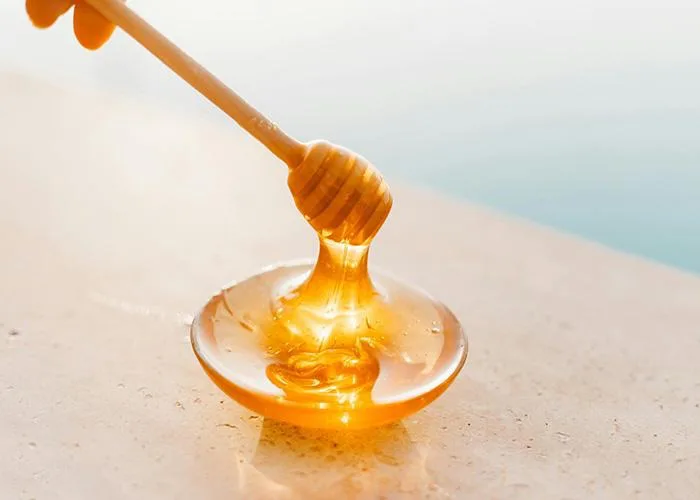
Natural methods are often the first, and most soothing, approach when you are searching for how to treat mouth ulcers at home:
- Salt Water Rinse: Works as a natural antibacterial cleanser. Mix a teaspoon of salt in warm water; rinse for 30 seconds, several times daily. This classic method is a cornerstone of how to treat mouth ulcers.
- Honey Application: Provides antibacterial and anti-inflammatory benefits. Apply a small amount directly to the ulcer 3-4 times a day. This simple trick can be surprisingly effective at how to treat mouth ulcers.
- Coconut Oil: Offers soothing and potential healing properties. Use as a gentle swishing rinse or apply topically before bed.
- Aloe Vera Gel: Provides natural cooling and healing effects. Apply pure gel directly to the sore using a clean swab. Many people rely on this plant when looking at how to treat mouth ulcers.
- Baking Soda Rinse: Helps neutralize acidity and reduce inflammation. Mix a teaspoon in half a cup of water and rinse frequently. This method shows a clear path to how to treat mouth ulcers.
- Ice Cubes or Cold Compress: Best for immediate relief as the cold temporarily numbs the pain. Hold against the sore briefly. For instant pain relief, this is essential in learning how to treat mouth ulcers.
- Chamomile Tea Rinse or Compress: Contains soothing anti-inflammatory compounds. Use the cooled tea as a rinse, or apply the moist tea bag directly. This gentle approach is key when considering how to treat mouth ulcers.
- Yogurt (with Probiotics): Helps rebalance oral bacteria. Eating plain, unsweetened yogurt daily can create a better internal environment to how to treat mouth ulcers.
Tips to Prevent Mouth Ulcers Naturally
The most effective long-term strategy for understanding how to treat mouth ulcers is to adopt habits that prevent them from occurring:
- Eat a Balanced Diet: Consume foods rich in B vitamins and iron to fortify your oral health.
- Stay Hydrated: Drinking plenty of water keeps the mouth moist and can help prevent irritation.
- Avoid Trigger Foods: Identify and limit spicy, acidic, or overly rough foods that can cause micro-injuries. Avoiding triggers is fundamental to treating mouth ulcers.
- Practice Good Oral Hygiene: Brush gently and regularly, avoiding aggressive scrubbing.
- Reduce Stress: Incorporate relaxation or mindfulness techniques into your daily routine to eliminate common triggers. This holistic step supports effective mouth ulcer treatment
When to See a Dentist
While home methods can effectively teach you how to treat mouth ulcers temporarily, certain persistent or severe symptoms require professional help:
- Ulcers Lasting More Than 2 Weeks: Any persistent sore must be professionally examined.
- Severe Pain or Spreading: Ulcers that are unusually large, deep, or rapidly increasing in number are a significant warning sign.
- Frequent Recurrence: If you have chronic outbreaks, a dentist can investigate underlying systemic causes, offering a permanent solution to how to treat mouth ulcers.
- Signs of Infection: Symptoms like fever, facial swelling, or pus surrounding the ulcer need immediate medical attention.
Need Professional Help? Visit a Trusted Dentist in Denpasar

Don't let mouth ulcers impact your quality of life. While home remedies offer comfort, the surest path to long-term relief and truly figuring out how to treat mouth ulcers is a professional diagnosis. For effective treatment, especially for recurrent or severe sores, seek expert care. If you need a reliable Dentist Denpasar for a thorough evaluation and personalized treatment plan, contact Joy Dental today. We can provide the specific treatment you need to treat mouth ulcers effectively.
Written by drg. Kannitha Alina Aflah