

Toothache is one of the most common dental problems experienced by people of all ages. A sudden, throbbing pain in your teeth can disrupt your entire day, making it difficult to eat, sleep, or even speak. When you find yourself clutching your cheek in discomfort, the first question that usually comes to mind is what causes toothache. Understanding the origin of dental pain is the first step toward finding a lasting solution. Dentists often emphasize that a toothache is rarely an isolated event; rather, it is a clinical signal from your body that something is wrong within the complex structure of your teeth or gums. Whether it is a dull ache or a sharp, electric sensation, identifying what causes toothache allows you to seek the right treatment before the condition worsens. If you are currently in Bali and experiencing dental distress, consulting a professional dentist Denpasar is the most effective way to diagnose the underlying issue and prevent long-term damage.
Ignoring tooth pain can lead to serious complications. That is why recognizing what causes toothache and knowing when to seek professional help from a Dentist Denpasar is essential. In this article, we will explore the most common causes of toothache, temporary relief methods, and why visiting Joy Dental is the best solution for lasting pain relief.
Tooth Decay (Cavities)
One of the most frequent answers to the question of what causes toothache is tooth decay, commonly known as cavities. This process begins when bacteria in the mouth feed on sugars and starches, producing harmful acids. These acids gradually erode the tooth's protective enamel, creating tiny holes. Once the decay reaches the sensitive inner layer called dentin, or the nerve-rich pulp, the pain becomes unavoidable.
- Symptoms: You may experience sharp pain when biting down, persistent sensitivity to hot, cold, or sweet foods, and visible dark spots on the tooth surface.
- Relief: To address this specific version of what causes toothache, a dentist will typically remove the decayed portion and apply a professional filling. In more severe cases where the decay has reached the nerve, a root canal treatment may be necessary to save the tooth.
Gum Disease (Gingivitis and Periodontitis)
Not all dental pain originates from the tooth itself. When exploring what causes toothache, one must look at the foundation of the teeth: the gums. Gum disease starts with the buildup of plaque a sticky film of bacteria which hardens into tartar if not removed. This buildup leads to inflammation or infection of the gingival tissues.
- Symptoms: Key indicators include bleeding during brushing, visible swelling, redness, and general tenderness around the gum line.
- Relief: When gingivitis is what causes toothache, the primary remedy is scaling (professional cleaning) to remove tartar. Improving daily oral hygiene by flossing and using antibacterial mouthwash is essential to prevent the progression into periodontitis, which can lead to bone loss.
Tooth Infection or Abscess
A tooth abscess is a more serious answer to what causes toothache. This is a pocket of pus caused by a bacterial infection, often located at the root of the tooth or in the surrounding tissue. It is frequently the result of an untreated cavity or a deep crack that allowed bacteria to enter the tooth's center.
- Symptoms: This condition is characterized by severe, throbbing pain that may radiate to the jawbone, neck, or ear. Other signs include facial swelling, a persistent bad taste in the mouth, and sometimes a fever.
- Relief: Because an infection is a significant health risk, understanding that an abscess is what causes toothache requires immediate professional intervention. Treatment usually involves a root canal trearment to clear the infection or, in cases where the tooth cannot be saved, a dental extraction.
Tooth Fracture or Trauma
Physical damage is another common factor in what causes toothache. Teeth are incredibly strong, but they are not invincible. A fracture can occur from biting on hard objects, a sports injury, or accidental falls. Even a microscopic crack can expose the sensitive internal nerves to the environment, leading to intense discomfort.
- Symptoms: Patients often report sharp pain specifically when chewing or releasing a bite. Sensitivity to temperature changes and visible cracks or chips are also major indicators.
- Relief: Depending on the severity of the fracture, a dentist might use a dental filling for minor chips or a crown to protect and stabilize a larger break. Recognizing that trauma is what causes toothache helps the dentist choose the right restorative treatment to bring back the tooth's functionality.
Teeth Grinding (Bruxism) or Jaw Problems
Sometimes, the reason behind what causes toothache isn't an infection or decay, but mechanical stress. Bruxism, or the habit of grinding and clenching your teeth (often during sleep), puts immense pressure on the dental structures and the Temporomandibular Joint (TMJ).
- Symptoms: Common signs include jaw soreness in the morning, dull headaches, and generalized tooth sensitivity throughout the mouth rather than in a single spot.
- Relief: To alleviate the pressure that is what causes toothache in this scenario, dentists often recommend a custom-made night guard. Stress management techniques and professional guidance from a dentist are also vital to relaxing the jaw muscles and protecting the enamel from further wear.
How to Temporarily Relieve Toothache at Home
While you wait for your dental appointment, you may need to manage the discomfort. While home remedies do not cure what causes toothache, they can provide temporary relief from the symptoms.
- Rinse with warm saltwater: This helps dislodge debris and acts as a natural disinfectant to reduce inflammation.
- Use over-the-counter pain relievers: Medications like ibuprofen or paracetamol can help manage pain, but they should only be used as directed.
- Avoid triggers: Stay away from very hot, cold, or hard foods that might aggravate the sensitive area.
- Schedule prompt care: Remember that home care is only a temporary measure. To truly fix what causes toothache, you must see a professional as soon as possible.
Stop Tooth Pain at Dentist Denpasar Joy Dental
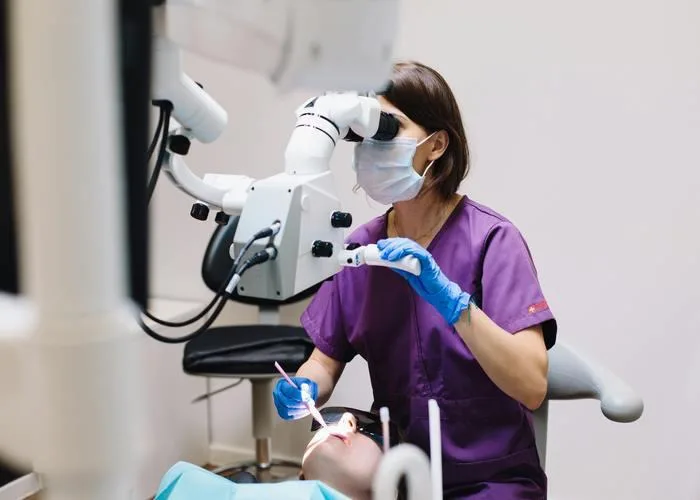
In summary, what causes toothache can range from simple cavities and gum inflammation to more complex issues like abscesses, fractures, or bruxism. Regardless of the cause, dental pain is a signal that requires expert attention. Ignoring the pain usually leads to more expensive and invasive procedures in the future.
If you are looking for a permanent solution to your dental problems, it is time to consult the experts. At Joy Dental, we provide comprehensive diagnostics and modern treatments to address exactly what causes toothache in your specific case. Our team is dedicated to restoring your smile and ensuring you live a life free from dental discomfort.
Don't let the pain linger any longer. If you need a reliable dentist Denpasar, visit Joy Dental Denpasar today to get a professional evaluation. Our experienced dentists will help you identify what causes toothache and provide the high-quality care you deserve.
Written by drg. Kannitha Alina Aflah