
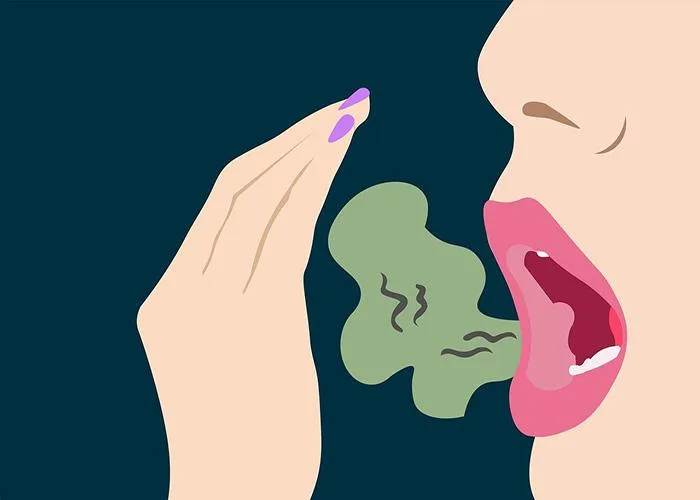
Have you ever had that awkward moment when you suddenly worry about your breath? You’re not alone. Bad breath, or halitosis, is something almost everyone experiences at some point. While it’s often blamed on not brushing enough, the truth is that there’s much more behind it. In this article, we’ll dive deep into what causes bad breath, including some hidden reasons you may not have considered. Understanding the real cause is the first step to solving it and keeping your mouth fresh and healthy every day. If you’re in Denpasar and want expert advice, a visit to a trusted dentist Denpasar can really help identify and treat underlying issues.
What Causes Bad Breath: The Basics
Before exploring the lesser-known reasons, let’s start with the basics. The most common cause of bad breath is bacteria. Your mouth is home to hundreds of types of bacteria, and when they break down food particles or dead cells, they release sulfur compounds the main culprit behind that unpleasant odor.
Poor oral hygiene, leftover food debris, and dry mouth all create a perfect environment for these bacteria to thrive. But if you maintain good brushing habits and still find yourself wondering what causes bad breath, it might be due to deeper issues that need attention.
Bad breath (halitosis) is an unpleasant odor from the mouth or nose that can embarrass patients and interfere with social life. It is very common affecting roughly half of adults worldwide and in most cases (80–90%) stems from oral sources such as tongue coating, dental plaque, tartar (calculus) or periodontal infection (Khounganian, 2023; Lee & Hong, 2023). Routine oral hygiene (brushing, flossing, tongue cleaning) usually keeps breath fresh, but persistent bad breath despite good home care signals that a deeper or extra-oral hidden reason may exist (Izidoro, 2022). If you suspect a hidden reason, consult a dentist for focused evaluation and diagnosis (Khounganian, 2023). In this article I, as a dentist, outline five practical hidden reasons for bad breath and the dental or medical treatments that address them (Khounganian, 2023).
Dry Mouth and Its Role in Bad Breath
One of the most overlooked causes of bad breath is dry mouth, also known as xerostomia. Saliva is essential for washing away food particles and bacteria. When your mouth doesn’t produce enough of it, odor-causing bacteria multiply rapidly.
So, what causes bad breath when you have dry mouth? It’s the lack of natural cleansing. Without saliva, bacteria stick to your teeth, gums, and tongue producing a foul smell over time. Dry mouth can happen for several reasons:
- Dehydration (not drinking enough water)
- Sleeping with your mouth open
- Certain medications (like antihistamines or antidepressants)
- Smoking or drinking alcohol
If dry mouth is a suspected hidden reason, your dentist can help identify medication causes in coordination with your physician and recommend behavioral measures (frequent sips of water, sugar-free gum, xylitol lozenges), saliva substitutes or pharmacologic sialogogues when indicated (Santaella, 2020). Small habits like these can make a big difference in preventing what causes bad breath from dry mouth.
Hidden Gum Disease
If you brush regularly but still have bad breath, gum disease might be to blame. Gingivitis and periodontitis are infections of the gums caused by plaque buildup. Here’s how it works: when bacteria gather under the gumline, they create toxins that damage tissue. The result? Persistent bad breath that no mint or mouthwash can hide.
Periodontal disease allows deep pockets to form around tooth roots, creating an anaerobic environment that fuels odor-producing bacteria. Even well-brushed individuals can have periodontal pockets that are a hidden reason for chronic bad breath (Lee & Hong, 2023; Izidoro, 2022). The smell is often described as sour, rotten or sulfurous and signals advanced gum infection. If this hidden reason is present, your dentist will perform scaling and root planing to remove subgingival biofilm and may use adjunctive antimicrobial therapies to control infection (Khounganian, 2023). In refractory cases periodontal surgery can reduce pocket depth. Long-term maintenance and excellent home care prevent recurrence.
What causes bad breath in this case isn’t just surface-level bacteria it’s a deeper infection that needs professional care. Common signs include bleeding gums, swelling, or a constant metallic taste. If you suspect gum disease, don’t wait too long. Early treatment can prevent tooth loss and restore fresh breath.
Tonsil Stones (Tonsilloliths)
Another surprising answer to what causes bad breath is tonsil stones tiny, white or yellow lumps that form in the crevices of your tonsils. These stones are made of trapped food particles, dead cells, and bacteria that harden over time. When they sit in your throat, they release a foul odor that can make your breath smell bad, even right after brushing.
You might not even realize you have them, but symptoms can include:
- A constant bad taste in your mouth
- Difficulty swallowing
- Feeling like something is stuck in your throat
To minimize tonsil stones, gargle with salt water regularly and maintain excellent oral hygiene. In persistent cases, a dentist or ENT specialist can remove them safely. Understanding what causes bad breath like this one helps you take the right action early.
Undiagnosed Medical Conditions
Sometimes, what causes bad breath goes beyond your mouth. Certain medical conditions can also produce strong or unusual odors.
For example:
- Diabetes can cause a fruity or acetone like smell (due to high ketone levels).
- Kidney disease may lead to a metallic or ammonia like odor.
- Liver problems can make your breath smell musty or sour.
- Respiratory infections like sinusitis or bronchitis can also cause foul smells.
If your dentist rules out oral causes and you still notice chronic bad breath, it might be time to visit your doctor for a full checkup. Understanding what causes bad breath in your specific case can even reveal early warning signs of larger health issues.
High-Protein or Low-Carb Diets

Believe it or not, your diet plays a big role in what causes bad breath. High-protein and low-carb diets are popular for weight loss, but they can trigger an unwanted side effect — “keto breath.”
When your body burns fat instead of carbs for energy, it produces ketones, which are released through your breath. The result? A distinct fruity or chemical odor that regular brushing won’t fix. Additionally, high-protein diets can increase sulfur compounds in your mouth as bacteria break down amino acids from meat.
To balance your diet and reduce what causes bad breath, try these tips:
- Drink more water throughout the day.
- Eat more fiber and leafy greens.
- Use sugar-free gum or mints to neutralize odors.
It’s perfectly fine to follow a diet that suits your health goals just be mindful of how it affects your breath and hydration.
How to Keep Bad Breath Under Control
Now that you know what causes bad breath, the next step is learning how to control it. Luckily, with the right habits, you can maintain fresh breath every day.
Here’s how to do it:
- Brush twice a day using fluoride toothpaste.
- Floss daily to remove trapped food particles.
- Clean your tongue with a scraper or toothbrush.
- Stay hydrated water helps flush out bacteria.
- Avoid smoking and alcohol, as both dry out your mouth.
- Eat crunchy fruits and vegetables, like apples or carrots, to help clean your teeth naturally.
- Use antibacterial mouthwash that kills odor causing bacteria.
Knowing what causes bad breath helps you prevent it from returning. Consistency is key small steps each day lead to long-term freshness and confidence.
Visit a Trusted Dentist Denpasar Joy Dental for a Fresher Smile
If you’ve tried everything but still can’t get rid of bad breath, it’s time to seek professional help. At Joy Dental Denpasar, our trusted dentists can identify the root cause of your problem, whether it’s plaque buildup, gum disease, or something deeper.
We offer comprehensive dental check-ups, professional cleaning, and personalized care plans to restore your confidence and your smile. Our friendly team ensures every visit feels comfortable and stress-free.
Don’t let bad breath hold you back let our experts help you discover what causes bad breath in your case and provide lasting solutions. Book your appointment today and enjoy a fresher, healthier mouth with dentist Denpasar Joy Dental.
References:
AlBeshri, S. (2025) ‘Perspectives on tongue coating: etiology, clinical management, and associated diseases — a narrative review’, Saudi Dental Journal, 37, p. 41.
Izidoro, C. et al. (2022) ‘Revisiting standard and novel therapeutic approaches in halitosis: a review’, International Journal of Environmental Research and Public Health, 19(18), p. 11303.
Khounganian, R.M., Alqutub, A.M., Aljohani, M.Y. & Alamoudi, N.M. (2023) ‘Causes and management of halitosis: a narrative review’, Cureus, 15(8), e43742.
Lee, Y.-H. & Hong, J.-Y. (2023) ‘Oral microbiome as a co-mediator of halitosis and periodontitis: a narrative review’, Frontiers in Oral Health, 4, 1229145.
Santaella, N.G. et al. (2020) ‘Halitosis, reduced salivary flow and quality of life in pre-kidney transplantation patients’, Journal of Clinical and Experimental Dentistry, 12(11), e1045–e1050.
Tungare, S., Paranjpe, A.G. & Bhat, S. (2022) ‘Halitosis’, StatPearls. Treasure Island (FL): StatPearls Publishing.
Yang, L. et al. (2025) ‘Extraoral halitosis in functional dyspepsia and its association with small intestinal bacterial overgrowth’, Journal of Breath Research, 19(2), 027101.
Written by drg. Gilbert Edgar N.